
Start a Mililani Mauka Residents Directory Search
A place-first method gives a Mililani Mauka residents directory search a sound base. Normalize the address through USPS, locate its address point and tax map key in Honolulu GIS, and confirm the parcel in the Real Property Assessment Division search. Names from a parcel card can then be checked in the Bureau of Conveyances index, court dockets, professional licensing, business records, or older collections. When only a name is known, add Mililani Mauka, an approximate date, and a role before comparing results.
No official source supplies a complete current resident roster. Property records mainly identify ownership roles, voter lookup is designed for a registrant's own status, and a docket only identifies a case party. Renters, unlisted household members, people using confidential addresses, and recent movers may not appear. The strongest finding comes from two independent sources that agree on a place, date, and role.
- Standardize the street and ZIP through USPS, keeping unit and diacritic variants.
- Find the address point and TMK in HoLIS, then confirm the tax role in RPAD.
- Follow a known name or TMK into Bureau of Conveyances instruments.
- Compare a name with the correct official court, license, business, or archive index.
- Ask the record custodian for a specific non-posted file under UIPA when needed.
Offices Behind the Mililani Mauka Residents Directory
Mililani Mauka has no municipal records department of its own. Land instruments are recorded statewide, property assessment and local legislative records sit with the City and County of Honolulu, and election files are administered through Hawaiʻi election offices. Each custodian answers a different question. Use the Mililani Mauka street directory when the task begins with a street rather than treating these offices as one combined roll.
Honolulu Real Property Assessment
842 Bethel Street
Honolulu, HI 96813
808-768-3799
Hawaiʻi Office of Elections
802 Lehua Avenue
Pearl City, HI 96782
808-453-8683
Mililani Mauka Residents Directory Property Clues
The Honolulu RPAD search links a site address to a tax map key, record year, land class, assessment values, exemptions, and the fee-owner role. The mailing address may differ from the site address, and neither field proves who occupies the parcel. Capture the tax year and role label rather than shortening the result to "resident."
| Search input | Useful return | Reading caution |
|---|---|---|
| Site address | TMK and parcel card | Site is not always mailing address |
| TMK | Assessment and land fields | Record year controls |
| Owner name | Fee-owner match | Ownership is not occupancy |
| Property class | Tax classification | Not a household description |
The official property-search screen shown below is a starting point, not a final identity finding.
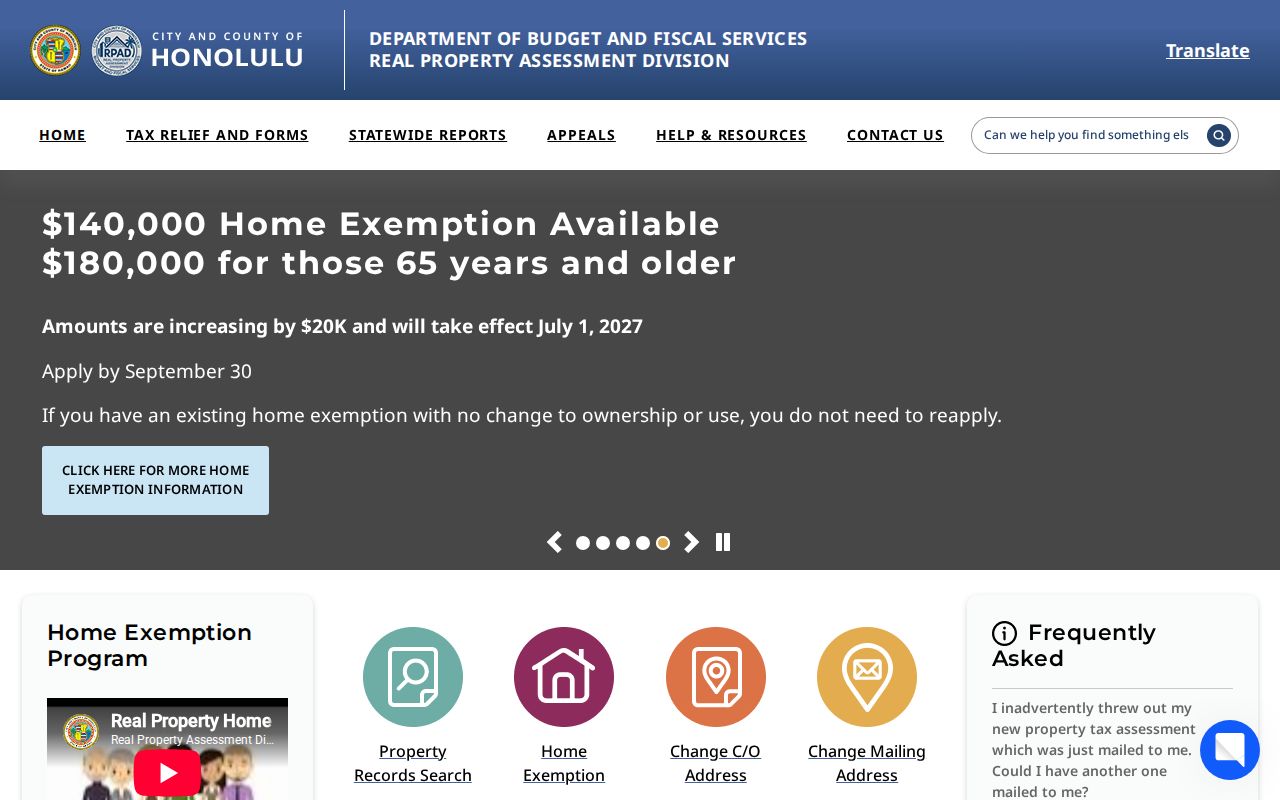
Its returned TMK is the bridge to HoLIS maps, recorded instruments, permits, and subdivision plans.
Deeds in the Mililani Mauka Residents Directory Trail
The Hawaiʻi Bureau of Conveyances records both Regular System and Land Court instruments. Its public online index generally covers 1976 forward and accepts fields such as TMK, grantor or grantee, document number, date, and Transfer Certificate of Title. A deed party is tied to a recorded transaction, not necessarily to present occupancy. Keep the system, instrument type, number, recording date, legal description, parties, and image status together.
Older work moves offline. Pre-1976 instruments require the Public Reference Room at 1151 Punchbowl Street or a written request with identifying book, page, document, party, and copy details. This access split matters in a residents directory because the archive reaches back to 1845 while the routine web search does not.
Record terms in plain language
Roll: a maintained official list. Index: a finding aid that points to a record. Parcel: mapped land identified by a TMK. Criss-cross directory: an edition arranged by address rather than only by surname.
Current Mililani Mauka Residents Directory Sources
Current directory-like records cover narrow roles rather than all Mililani Mauka residents. The table separates what each source actually lists from the broader conclusion a searcher may hope to draw.
| Source | Who It Lists | Keeper | Access |
|---|---|---|---|
| RPAD property roll | Fee owners and parcel roles | Honolulu RPAD | Free portal |
| OLVR status lookup | The registrant using required identifiers | Hawaiʻi elections offices | Self-service |
| BOC instrument index | Grantors, grantees, and other parties | Bureau of Conveyances | Account; image fees may apply |
| Neighborhood Board records | Named officials and public participants | Honolulu Neighborhood Commission | Public agendas and minutes |
| MTA public materials | Association contacts and facilities | Mililani Town Association | Public information, not a resident roster |
Choose a source by role. RPAD answers a parcel question, BOC traces a recorded land transaction, and board files document civic participation. The one-name comparison method is developed on the Mililani Mauka resident lookup page.
Why the Mililani Mauka Residents Directory Is Not a Voter Roster
Hawaiʻi's Online Voter Registration and Lookup service is meant for a voter to register, update a record, or check personal status with identifying data. It is not a public name-only directory. HRS §11-97 limits public voter information and protects confidential registration information, including Social Security numbers, dates of birth, driver's license numbers, telephone numbers, email addresses, and confidentiality-program addresses.
The correct use is narrow: a registrant can confirm or update an official record, especially after a move. The Office of Elections' 2026 notice encouraged voters to review registration information before the elections. A failure to find someone through the public-facing tool says nothing reliable about residence.
The official OLVR entry page makes the self-service route clear.
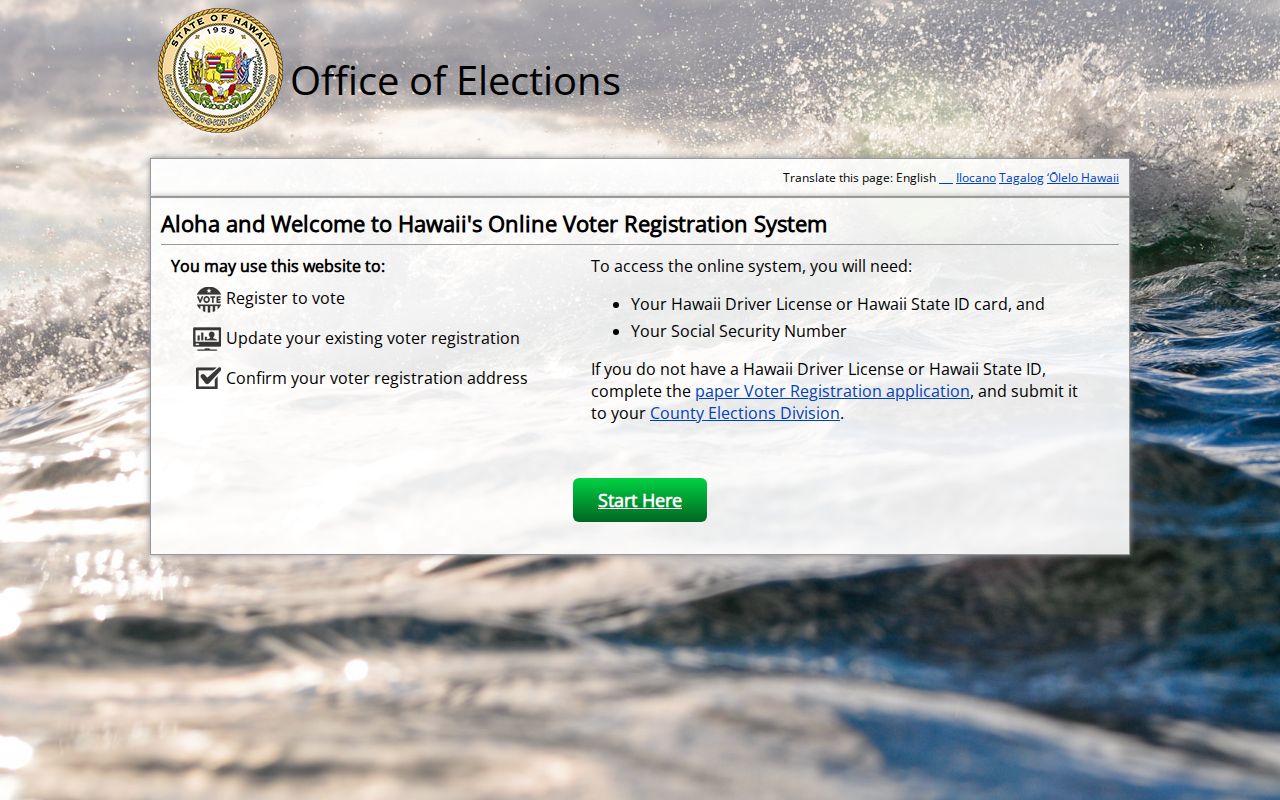
Its access controls protect the voter file from being treated as a downloadable Mililani Mauka residents directory.
Mililani Mauka Residents Directory Court and Vital Limits
Hawaiʻi eCourt Kōkua/JIMS is the official route for many Oʻahu District, Circuit, Family, Land, Tax Appeal, and appellate case indexes. Search modes and coverage vary by court and case era. A result can show party roles, case number, filing date, court, status, events, and document availability. It does not prove an alleged fact, a current address, or identity when common names collide. Sealed and confidential material stays outside the public result.
Vital records have a different gate. HRS §338-18 requires a direct and tangible interest or another listed basis for inspection and certified copies. The online order route uses exact-match information, identity proof, payment, and mailed fulfillment. Effective February 1, 2026, divorce records must be requested from the granting court rather than the Department of Health. Public index data and qualifying genealogy access do not turn certificates into an unrestricted resident search.
Use records safely. Search only for a lawful personal, family-history, estate, consumer-safety, or civic purpose. Never use address or identity details to stalk, harass, intimidate, or harm someone.
Business and License Checks Add a Role, Not a Home
The Hawaiʻi Department of Commerce and Consumer Affairs holds two useful name indexes. Business Registration Division records can connect a person with an entity, registered agent role, filing, status, or purchased document. The search-and-buy portal transitioned to a new route on July 6, 2026. Professional and Vocational Licensing records can show a license type, number, status, standing, dates, and discipline information.
These are strong tools when the question is whether a seller, contractor, or professional claim matches an official state record. They are weak evidence of residence. Record the role and date shown, then compare a separate place-based source if location matters.
The Hawaiʻi business search shown here reflects the current state route.
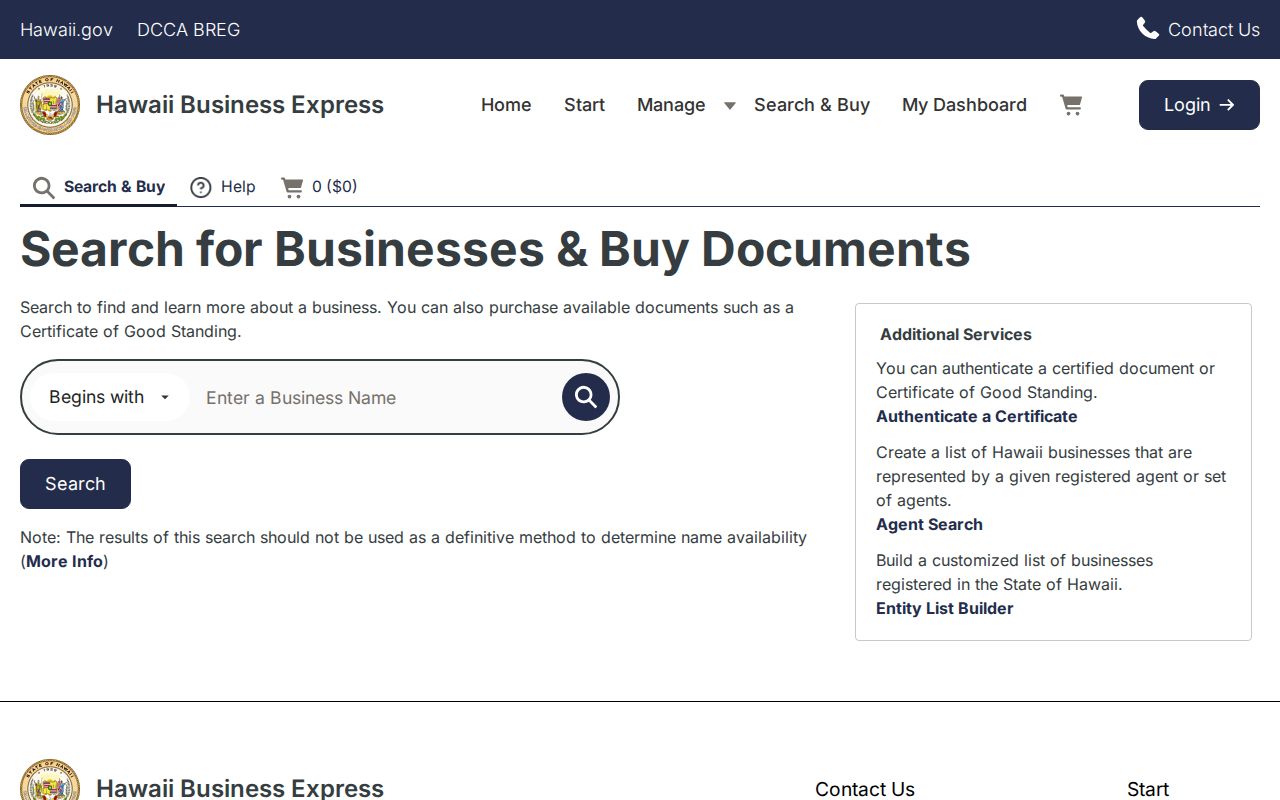
The business result should be cited as an entity filing, not recast as proof of a Mililani Mauka household.
Historical Mililani Mauka Residents Directory Trails
Mililani Mauka is a late twentieth-century planned community, so nineteenth-century Honolulu directories do not contain a Mililani Mauka neighborhood section. Historical research starts by defining the date and the source's place name. McKenney, Husted, Polk-Husted, and Polk's City and County of Honolulu volumes can follow people at older Oʻahu or Honolulu addresses. The Hawaiʻi State Archives, Hawaiʻi Public Library System, UH eVols, newspapers, obituary indexes, census returns, and vital-statistics finding aids supply the wider trail.
A directory entry may record a name, address, occupation, spouse, or business context for one publication year. It does not establish a present household. The Mililani Mauka city directory guide identifies the actual runs, gaps, formats, and shelf routes rather than pretending an old volume covers a community that had not yet been built.
The Hawaiʻi Digital Archives search offers keywords, wildcards, dates, and advanced controls for finding aids.
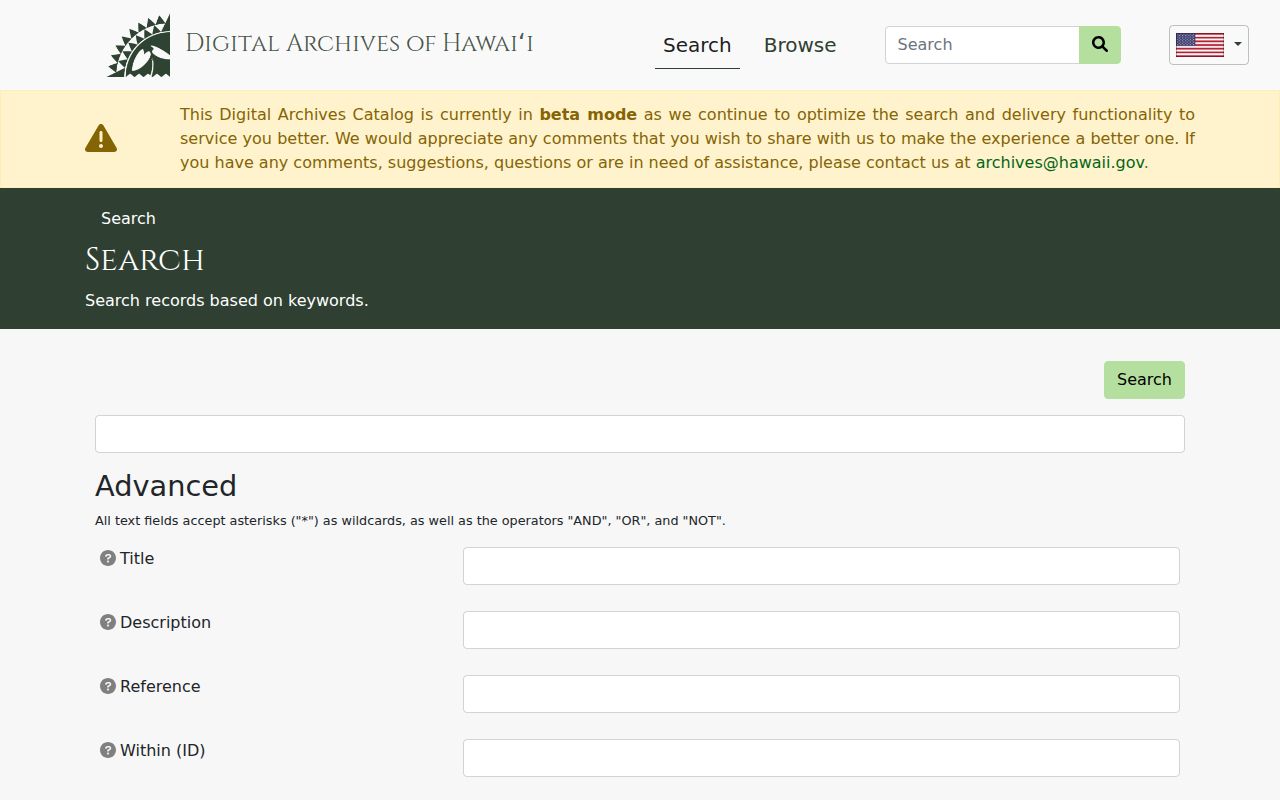
Preserving the collection, date, page, spelling, and record role makes each historical result auditable.
Three Maps Describe Mililani Mauka Differently
Mililani Mauka appears in several official geographic vocabularies. The Census-defined place supports population statistics. Mililani Mauka/Launani Valley Neighborhood Board No. 35 supports civic boundaries and public meetings. Census tracts 89.28, 89.29, and 89.30 use labels such as Mililani Mauka Middle School, Meheula Parkway, and Mililani Ainamakua. Postal ZIP 96789 serves mailing, not a city or board boundary.
This distinction explains why authoritative counts can differ. Census QuickFacts reports 21,075 people for the 2020 CDP, while a DPP planning report uses a combined planning area and a different year. Attach the year and geography to every figure. The same discipline applies to addresses: search both Mākaʻikāʻi and Makaikai, or ʻAinamakua and Ainamakua, while preserving the source's spelling.
Mililani Mauka Records Continue Off the Web
When a portal fails, the search should change channels rather than invent a gap. BOC provides its Public Reference Room and written requests for older instruments. First Circuit offers legal-document branches and public terminals. The Department of Health accepts eligible vital-record orders online, by mail, and through current office procedures. Hawaiʻi State Archives supports in-person research plus scan or certification requests, while library reference staff can help identify microfilm and printed holdings.
For a non-routine Honolulu or state record, the Uniform Information Practices Act, HRS chapter 92F, provides a request route. Describe one identifiable record, name the likely agency, set a date range, request a format, and ask for an estimate. UIPA can lead to clarification, redaction, fees, or lawful denial. It does not override vital-record eligibility, court seals, voter confidentiality, or another specific restriction.
Mililani Mauka's Planned-Community Record Clock
The local paper trail is unusually tied to development. A 1987 final environmental impact statement describes the proposed Mililani Mauka residential community. DPP material later recorded planned units, acreage, phases, and development progress. Neighborhood Board No. 35 was created by a 1996 amendment effective June 1, 1997, giving agendas, minutes, rosters, boundaries, and testimony a clear civic-document starting point.
That history also explains a negative finding: no official Mililani or Mililani Mauka Sanborn fire-insurance map title was located in the inspected catalog. DAGS survey maps, environmental documents, BOC instruments, permits, RPAD assessments, and HoLIS layers are better replacements for a community developed in the modern era. In 2026, the State Archives also announced that 64 volumes of indexes had been digitized, expanding finding aids for genealogy, land, court, and cemetery research.
Even current infrastructure leaves a linked archive. A 2005 Senate resolution sought study of alternate ingress and egress, and a June 18, 2026 HDOT notice described a completed gated emergency-access road to the H-2 northbound on-ramp. Those dated civic records add context without exposing private household data.