
Mililani Mauka Lookup Sources
No single agency lists every Mililani Mauka resident. A sound lookup compares records made for separate duties. The property roll ties an owner to a parcel. A court index ties a named party to a case, while a license search confirms a credential rather than a home. Vital records may confirm a family event, but only when the requester qualifies under state law.
| Record | What It Confirms | Where | Access |
|---|---|---|---|
| Property assessment | Owner role, site address, TMK, assessed facts | Honolulu RPAD | Free online search |
| Court case index | Party role, case type, dates, docket status | eCourt Kōkua/JIMS | Free index; paid images or copies |
| Vital record | A qualifying birth, marriage, civil union, death, or divorce event | DOH or the granting court | Eligibility, ID, and fees apply |
| Professional license | Status, standing, dates, and discipline | Hawaii PVL | Public online search |
| Historical index | Older name, event, publication, or place link | State Archives and Digital Archives | Online, library, or archive request |
Let the role you need to prove pick the source. A known parcel points to RPAD. Litigation points to the Judiciary. Genealogy belongs in the archival indexes. Note the source date, because a later update can change a status or an address.
Confirming Mililani Mauka Court Names
Court records start with the Hawaii Judiciary eCourt Kōkua/JIMS system. It covers First Circuit and Oahu District. It also handles Circuit, Family, Land, Tax Appeal, traffic, and appellate matters. Search by exact case number first. A name query alone can pull up several people. Older case numbers may need the Judiciary conversion guide. A hit means a person was named in a case role. It proves neither present residence nor fault. It may not even mean two matching names are one person.
Log the details that make a result usable. Record the court and circuit. Record the case number and type, party names and roles, filing date, dated docket events, document icon, disposition, and last update. A docket is the court's chronological list of filings and actions. Sealed and confidential filings stay unavailable. Some older civil, Land, Tax, and Family document images sit outside the online store. Free public terminals and copy desks fill that gap.
| Result field | How to use it |
|---|---|
| Case number | Use it as the strongest key for a clerk or copy request. |
| Party role | Separate a plaintiff, defendant, petitioner, or other named party. |
| Docket date | Place the event in time instead of treating it as current. |
| Document icon | Shows that an online image may be available for purchase. |
| Disposition | Check the outcome, then confirm it in the signed or certified record. |
Try a First Circuit public terminal when the web record runs thin. Wahiawa District Court works well in central Oahu. Terminals also operate in Honolulu, Kapolei, Ewa, and Kaneohe. Hard copies and certifications come from the courthouse, mail requests may use the court's legal-document form, and general routing is available at 808-539-4909.
Mililani Mauka Same-Name Checks
A name match is not an identity match. Hawaiian diacritics, initials, married names, hyphens, and older spellings can split one person's records. They can also merge two people in a single list. Record the spelling each custodian uses. Then compare date, place, party role, parcel number, license number, or case number. The nearest Mililani Mauka result is not always right.
Work from a place first. Begin with a known Mililani Mauka address in the Honolulu Real Property Assessment Division search. Save the TMK, owner role, site address, and tax-year date. Then run name variants in the right index. A mailing address that differs from the site address may point to an owner. That owner may not occupy the parcel.
Role labels carry weight. A deed party, tax owner, permit applicant, business agent, licensee, board participant, and court party are distinct facts. None should be silently rewritten as “resident.” That discipline prevents the most common false match in Mililani Mauka lookup work.
Note: Save the query, spelling, source, date, and result status, including a clear “not found,” before moving on.
Verify One Mililani Mauka Resident
Verification means two independent records agreeing on a stable identifier. Two pages copying one source count once. So do not double-count echoes. Start with a public role, then obtain the underlying record if the difference matters for family history, an estate search, or reconnecting with someone.
- Anchor the name to a known Mililani Mauka address or TMK in RPAD. Note whether the address is the parcel site or merely the owner's mailing address.
- Run the exact name and reasonable variants in eCourt Kōkua or the relevant official license index. Compare dates, roles, and record numbers.
- For a lawful family-history question, check a public historical index. Current vital certificates require a direct and tangible interest under HRS §338-18.
- Ask the custodian for the image or certified copy when the index does not settle identity. Keep the certification date with the result.
- Docket
- The dated list of filings and court actions in a case, not the full evidence or judgment.
- Index versus image
- An index points to a record. The image contains the filed document and may have a separate fee or access rule.
- Certified copy
- A custodian-issued copy authenticated as matching the official record.
Vital records need extra care. The Hawaii Department of Health Vital Records office issues birth, marriage, civil-union, and death certificates online, by mail, and in person. Divorce records moved to the granting court effective February 1, 2026. A vital index can guide research toward a record. Eligibility still controls access to a certificate.
Mililani Mauka Status Records
Some sources confirm a narrow current status. They do not establish residence. The Hawaii professional license search can show standing, original license dates, expiration, and disciplinary sanctions. Use a name, license number, and profession to land the right record, since a professional address or registration field is not a home address.
Public safety sources are just as narrow. Hawaii SAVIN/VINELink provides custody and release notification information, not a Honolulu resident roster. The covered-offender registry and federal inmate locator answer to separate legal systems, and a custody location, registry result, or old docket says nothing by itself about where someone lives now. The official SAVIN page states that purpose plainly.
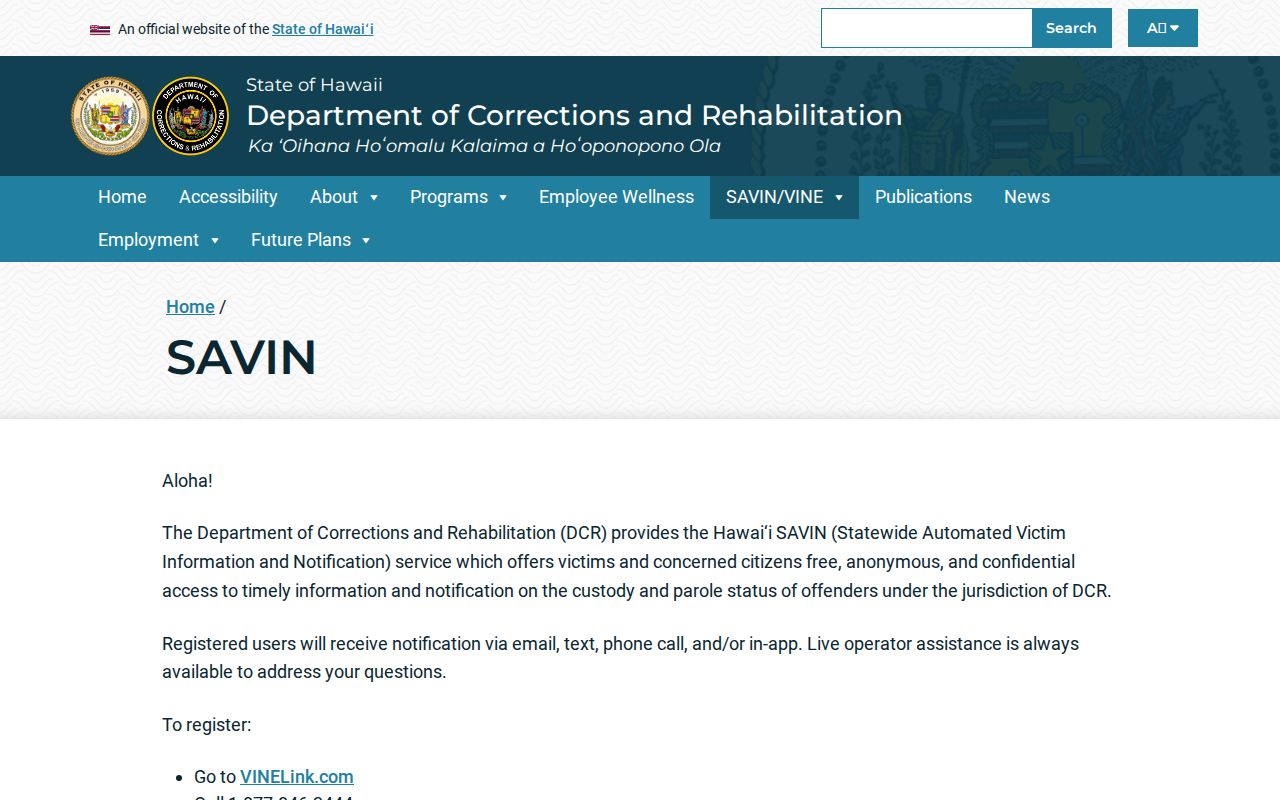
Use its live status and alert route only for a real safety need. Record the time of each check.
Specialized Mililani Mauka Lookups
A Mililani Mauka resident lookup goes best when it starts from the source built for the exact fact you need. The Hawaii Criminal Justice Data Center registry page lays out how the covered-offender system works and where its reach stops. The page itself spells out those limits.
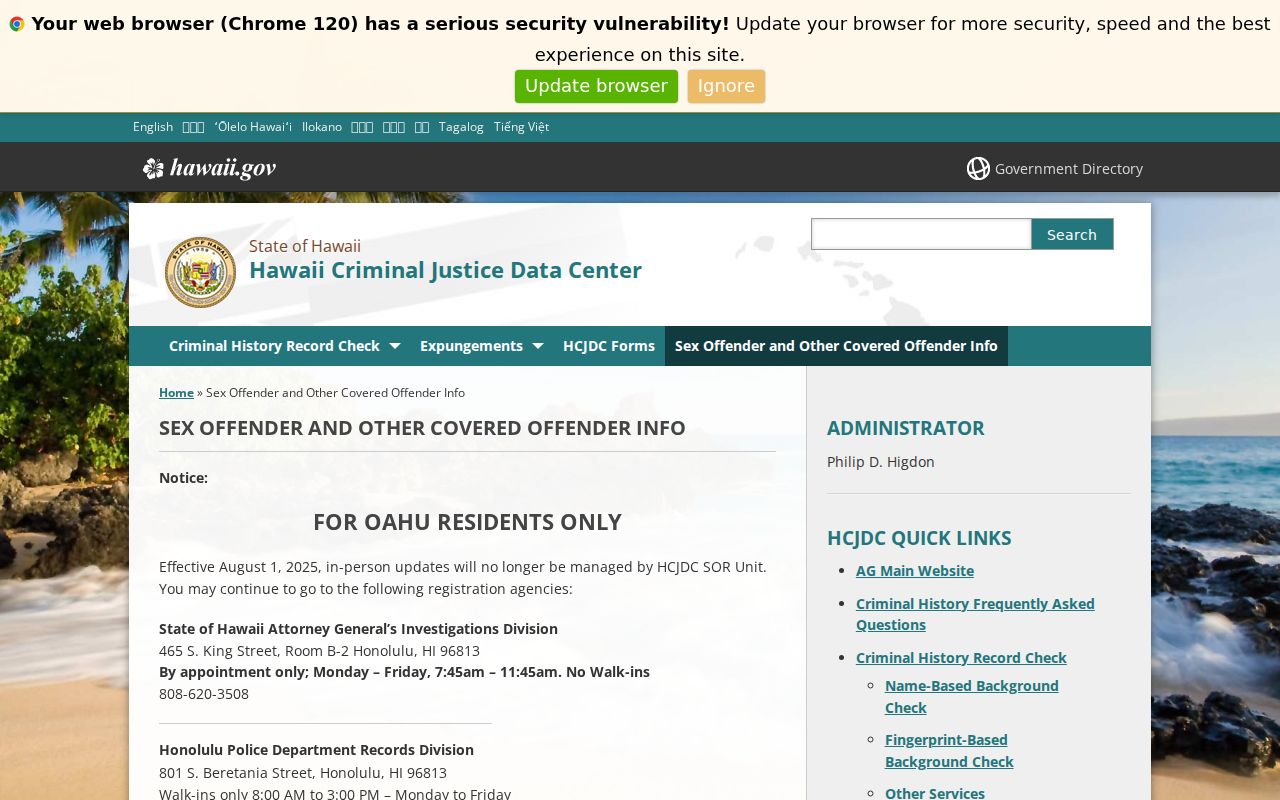
Every registry entry carries identifiers, a status line, an update date, and statutory warnings. Read all of them together. One entry never describes a whole household or block. Federal custody sits on a separate track entirely, handled by the Federal Bureau of Prisons inmate locator.
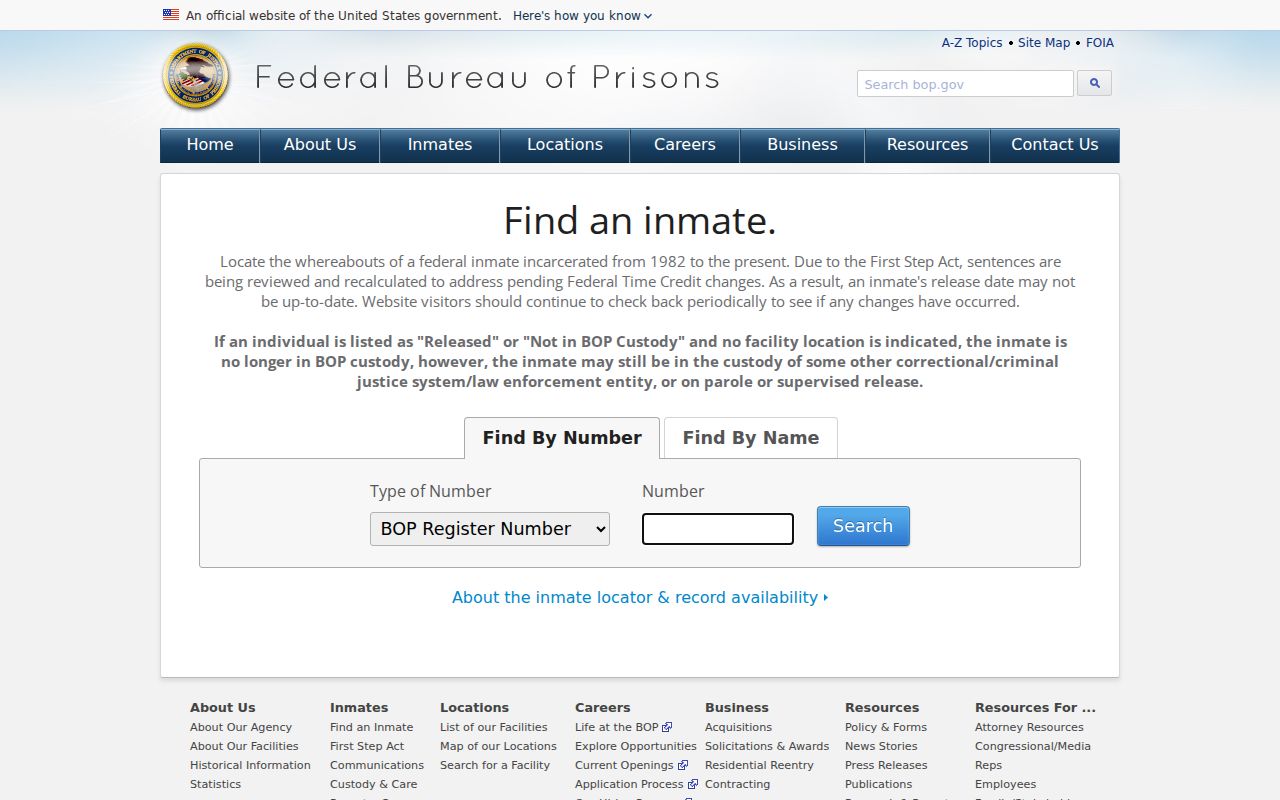
That federal locator answers federal custody questions only. State cases and Hawaii custody notices demand state sources. Licenses run through a different official channel, the Hawaii PVL public search.
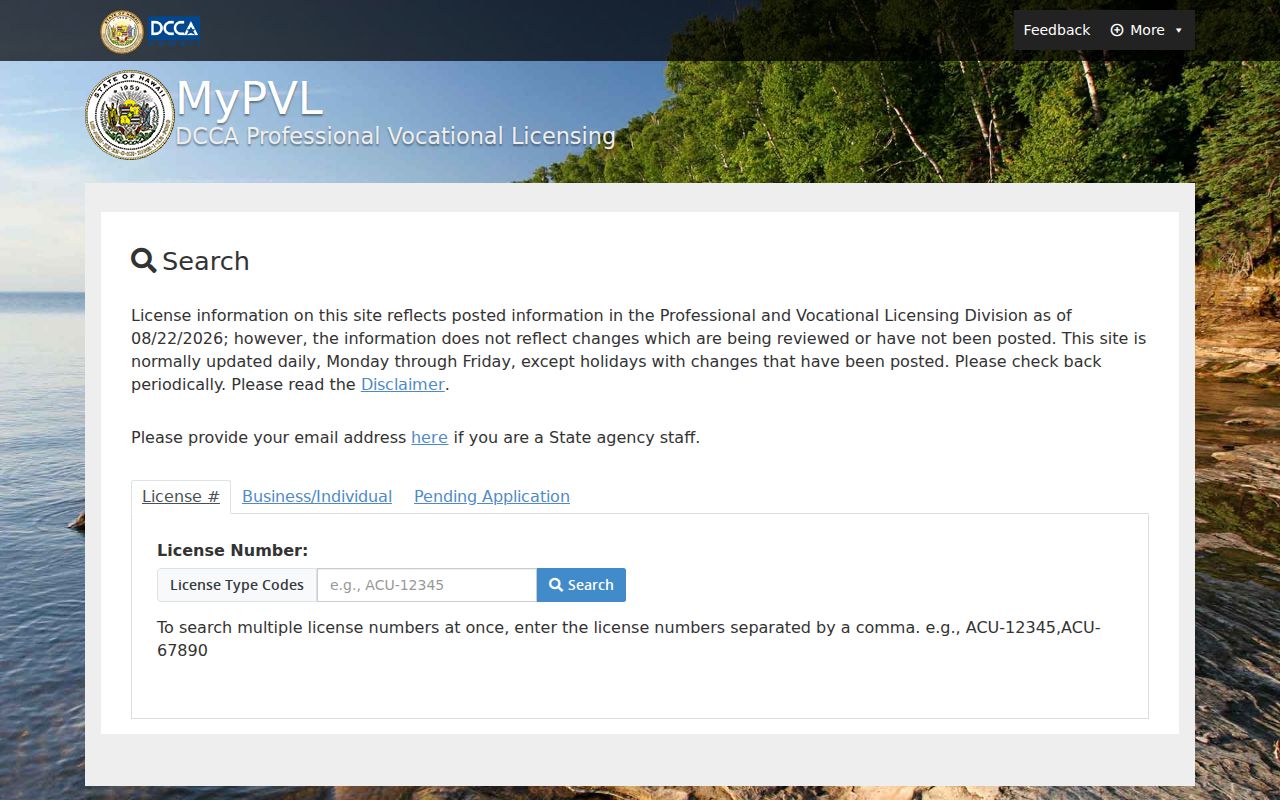
A PVL result confirms a credential and its standing. It helps when checking a service provider's status, though it says nothing about where that person currently lives.
Historical Mililani Mauka Resident Lookup
Mililani Mauka is a late twentieth-century planned community. Nineteenth-century Honolulu directories will never list it by name. For an earlier person or family, turn to the Hawaii State Archives and its Digital Archives. Public-library genealogy collections and newspaper or obituary indexes add more routes. Keep the place name used in that era. Forcing every result under the modern community name distorts the search. The State Archives obituary index covers 1836 through 1950, drawn mostly from Honolulu English-language newspapers. Finding aids open doors to probate records, wills, census schedules, and cemetery files. Naturalization papers and older vital statistics appear there too. When a historical name later connects to Mililani Mauka, document each link by edition, page, date, island or place. Note the record group as well. The deeper historical shelf sits on the Mililani Mauka city directories page. Searching the Digital Archives online is one channel among several. Some scans need archivist help. You can also visit the State Archives in person or call its reference staff. Submit scan or certification forms, or ask a Hawaii public-library reference desk about microfilm. A missing web result never proves that no archival record exists.
Requesting Mililani Mauka Records
No routine portal covers every government record. In that case, the Hawaii Uniform Information Practices Act request process is the route. Name the agency. Describe the record by subject, date, location, person or project, and preferred format. Decide how you want it. Say whether you want to inspect it or receive a copy. Copies can go by pickup, mail, email, or fax. A request for a defined record lands better. It beats asking an office to gather everything about a person. Agencies may ask for clarification, redact protected facts, send a cost estimate, or deny exempt material. The standard route calls for a response within ten business days. An extenuating period can reach twenty. Mail and email both remain valid channels. Sometimes you know only the record type. In that case, the Office of Information Practices Records Reports System helps identify the custodian. UIPA cannot override vital-record eligibility, court seals, confidential voter information, or any other specific law. OIP guidance also describes access and correction rights for your own government record. Never use a false identity or false pretense to cross an access gate. Note: Ask for reasonably segregable, non-exempt portions. Also request the legal basis for any withheld part of a Mililani Mauka record.
Limits on Mililani Mauka Lookups
Hawaii law shields information that no index can lawfully reveal. HRS chapter 92F permits privacy-based withholding and redaction. HRS §338-18 restricts vital certificates, and HRS §11-97 limits voter data. The online voter tool exists for a registrant's own status, not open-ended name searching. Sealed court files, confidential filings, and protected identifiers stay out of public results. Hawaii's Address Confidentiality Program gives eligible survivors a substitute address with mail forwarding. Protected voter procedures and some property-related confidentiality measures can also hide an address. Never fill a blank or redacted field by guesswork. Correct an error through the agency that created the record. Keep its written response with the disputed result. Commercial people-search products often merge stale data without showing the source date or legal role. Official indexes are narrower. Yet their named custodian, update cycle, and copy route make verification possible. A Mililani Mauka resident lookup should favor that traceable chain.
Lawful use. Use resident records for lawful personal research. Never use a Mililani Mauka lookup to stalk, harass, threaten, or expose a protected person.