
Mililani Mauka Directory Collections
The historical shelf is really a set of statewide and Honolulu collections. Mililani Mauka is a late twentieth-century planned community, so nineteenth-century editions will not have a neighborhood heading for it. Those books can still locate an earlier family, landholder, trade, or Honolulu address that later records connect to Central Oʻahu. Record the title and year before copying any entry. Similar publisher names can otherwise make a citation hard to retrace.
| Collection | Years | Where Held | Access |
|---|---|---|---|
| McKenney Hawaiian Directory | Selected nineteenth-century runs, including 1884 | Hawaiʻi public-library reference collections | Reference holdings |
| Husted's Directory / Handbook | 1898/99 and 1900/01 | HPLS and Hawaiʻi State Archives | Print or microfilm |
| Polk-Husted Directory | 1902-1940 | HPLS and State Archives | Print and microfilm |
| Polk's City and County of Honolulu | 1941 onward, except 1943-46, 1950, and 1952 | HPLS and State Archives | Print and microfilm |
| HSA / UH eVols scans | Selected runs from 1880-81 through 1924 | HSA directory page and UH eVols | Free page images |
HPLS identifies microfilm for 1902-1960 and many print editions, but no inspected official catalog confirmed a reverse-directory run for Mililani Mauka. Ask staff for a precise publisher and year before relying on a criss-cross search.
Digitized Mililani Mauka Directory Trail
The Hawaiʻi State Archives city-directory page points to digitized runs for 1880-81, 1884-85, 1888-90, 1892, 1894-98, 1902-06, 1910, 1913, and 1924. Page images let a researcher verify spelling, columns, and abbreviations that a typed index may flatten. Search broad variants first, then inspect the page and volume key.
In January 2026, the Archives announced that 64 volumes of indexes had been digitized after work begun in 2020 and completed in 2025. The material covers genealogy, land, court, and cemetery topics from roughly the early 1800s through the late 1990s. It is a finding aid, not a promise that each file is online. The Hawaiʻi Digital Archives supports keywords, wildcard characters, date searches, and advanced controls.
Reading Mililani Mauka Directory Entries
A city directory entry is a snapshot prepared for one publication cycle. Fields vary by publisher and year. Transcribe what appears, including punctuation, rather than expanding a short mark from memory. Save the abbreviation page with the entry. An address can be a residence, business, boarding place, or mailing point, so its label matters.
| Name | The listed person or business, often reduced to initials. |
|---|---|
| Occupation or business | A trade, role, or firm associated with the entry. |
| Address | The printed street or place name for that edition. |
| Household clue | A spouse, widow notation, or publisher-specific relationship. |
| Citation | Edition year, title, page, image link, and date viewed. |
- Criss-cross directory
- A section arranged by street and number rather than surname. No official Mililani Mauka run was confirmed.
- Householder index
- An address-oriented list of the person identified with a dwelling, when supplied.
- Abbreviation key
- The volume's own list of short words and symbols. It controls how an entry should be read.
Mililani Mauka Archive Access
The Hawaiʻi State Archives research desk is the main historical fallback. Records are arranged by agency, not subject. Consult a finding aid before asking for a name search. The Archives is at 364 South King Street in Honolulu, is open Monday through Friday from 9 a.m. to 4 p.m., and lists 808-586-0329. State the collection, variants, date range, citation, and whether a scan or certified copy is needed.
Published forms and fees list duplication at $0.25 per page, certification at $2.25 per record up to 110 pages, and translation at $17 per hour, with prepayment required. In-person research, a focused mail or email request, and online searching are separate channels. Hawaiʻi State Library, UH Special Collections, a Family History Center, and Mililani Public Library can provide catalog or computer access. The local branch offers newspapers, public computers, Wi-Fi, copying, and reference space, but no official source promises a dedicated Mililani Mauka run there.
Mililani Mauka's Late Record Start
The absence of Mililani Mauka from old volumes is expected. The official 1987 Final Environmental Impact Statement describes a proposed community on about 1,200 acres northeast, or mauka, of existing Mililani and H-2. Later records describe phases and community buildout in the 1990s and 2000s. For a local address, start its timeline with environmental files, subdivision plans, permits, and land records. Older directories belong to the history of people or places that preceded it.
Place names shift across systems. Search Mililani Mauka, Mililani Mauka/Launani Valley, Mililani, Central Oʻahu, tract labels, subdivision names, and both diacritic and plain street spellings. A source may use Mākaʻikaʻi while an index stores Makaikai. Preserve the source wording.
Note: An old Honolulu listing is evidence for that edition and address, not a modern Mililani Mauka residence.
Trace Mililani Mauka Family History
Directory research works best as a dated sequence. It can narrow a move, show a change in business or name form, and point toward a newspaper or census check. It cannot explain a missing year by itself. A person may have moved, died, declined a listing, lived outside coverage, or appeared under initials.
- Choose the nearest directory edition to a known event, then search surnames, initials, and alternate spellings.
- Save the full entry, edition, page, abbreviation key, and image link.
- Check the editions before and after it. Note each address and work change.
- Pair the sequence with the closest available census return, keeping geography and year clear.
- Follow the last firm date into obituary, cemetery, probate, vital-statistics, or land indexes.
Hawaiʻi State Archives describes incomplete or limited returns for 1866, 1878, 1890, and 1896. HPLS lists United States census microfilm for 1900-1930. These can identify an older Oʻahu household, but they should not be projected onto a street that had not been built.
Mililani Mauka Directory Companion Records
The HSA obituary index covers 1836-1950, mainly Honolulu English-language newspapers. Its date and microfilm reference can lead to family and place clues. HPLS identifies more newspaper resources, while cemetery and probate finding aids can extend a trail. Treat family-supplied statements as claims to compare.
Archives finding aids include Oʻahu vital statistics for 1832-1929, with indexes divided into 1832-1910 and 1911-1929. Public index access does not equal access to a current certified certificate. For each companion source, keep its date, keeper, identifier, and access status beside the directory citation.
Cemetery indexing offers another dated check. The State Archives' recent digital work includes cemetery indexes, but an index points to a source volume rather than replacing it. Save the cemetery name, plot or record number, death and burial dates, and volume citation. A burial place may connect relatives or explain an obituary reference. It does not show a person's home address at death, and it cannot turn a historic family link into evidence of present residence.
Newspaper searching benefits from the same spelling discipline used for directories. Try a full name, initials, family name, street variant, business, and a narrow date. Honolulu papers listed in the research include the Hawaiian Gazette, Pacific Commercial Advertiser, and The Friend, with other island papers held through library resources. Search results should be checked against the scanned page because optical character recognition can confuse Hawaiian diacritics, narrow print, and abbreviated names.
Mililani Mauka Civic Directory Clues
Local civic records can bridge the gap after printed city directories. Official pages identify Mililani Mauka/Launani Valley Neighborhood Board 35. The Neighborhood Plan says the board was created from Board 26 by an amendment approved in 1996 and effective in 1997. Agendas, minutes, testimony, and board material are public civic records, but a name proves participation or a listed role, not residence.
The official Board 35 meeting record shows how date, board number, and place frame a local document.
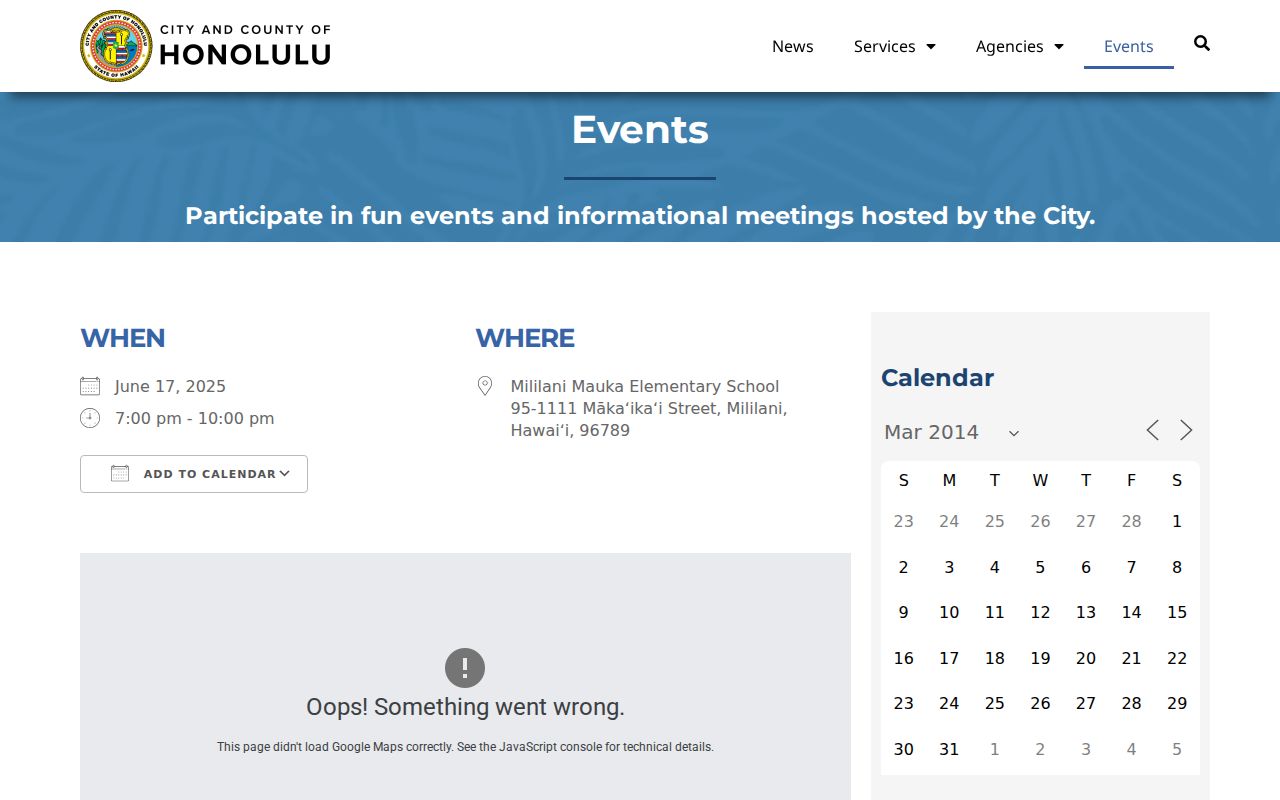
The archive belongs beside historical sources when tracing civic activity, though it is not a household directory.
Request Missing Mililani Mauka Records
When a catalog or scan fails, ask the agency that created the record. Hawaiʻi's Uniform Information Practices Act route requires a specific description and may lead to clarification, redaction, a cost estimate, or denial. The OIP request instructions explain the process.
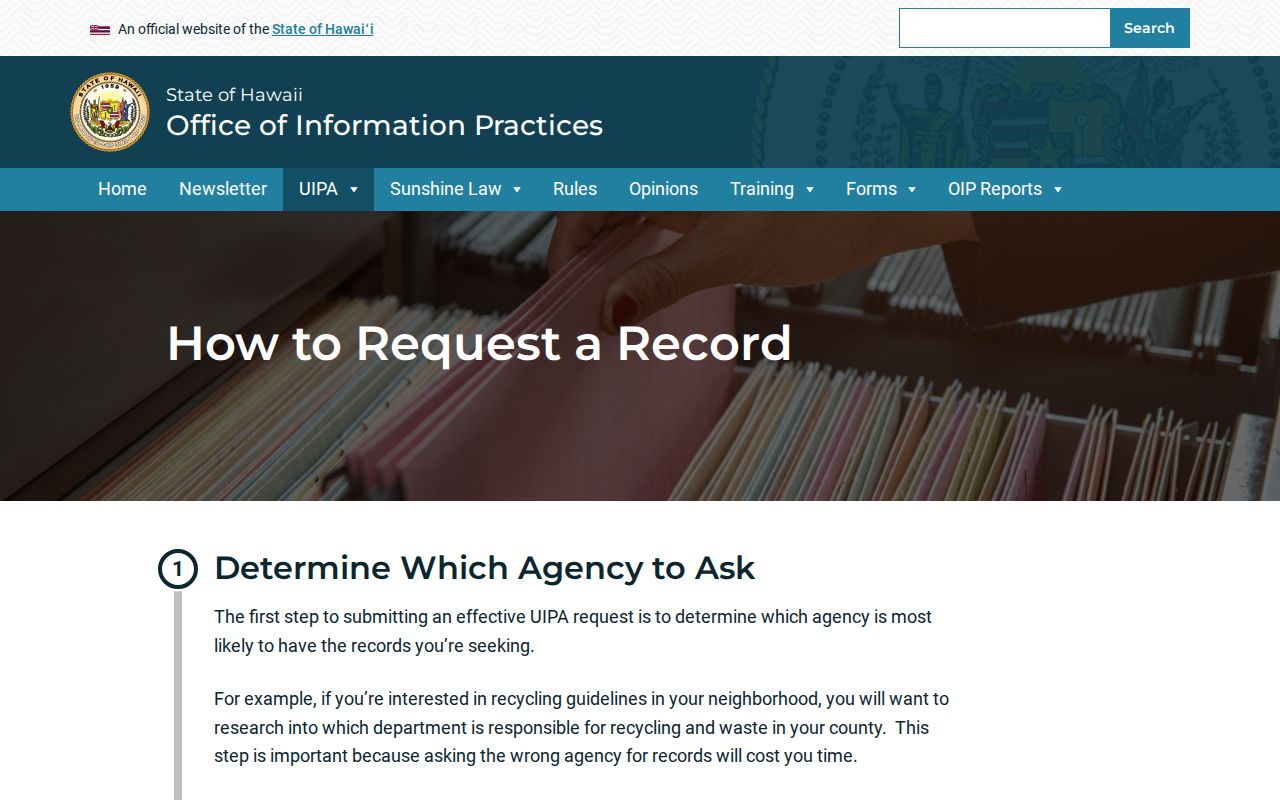
Give an agency, record type, date, place, subject, and desired format. Ask for an existing document, not a new list compiled from many files. If the office asks for a narrower date or topic, keep that exchange with the final response so another researcher can repeat the path.
Honolulu Police report requests may require proof of involvement and remain subject to investigative limits.
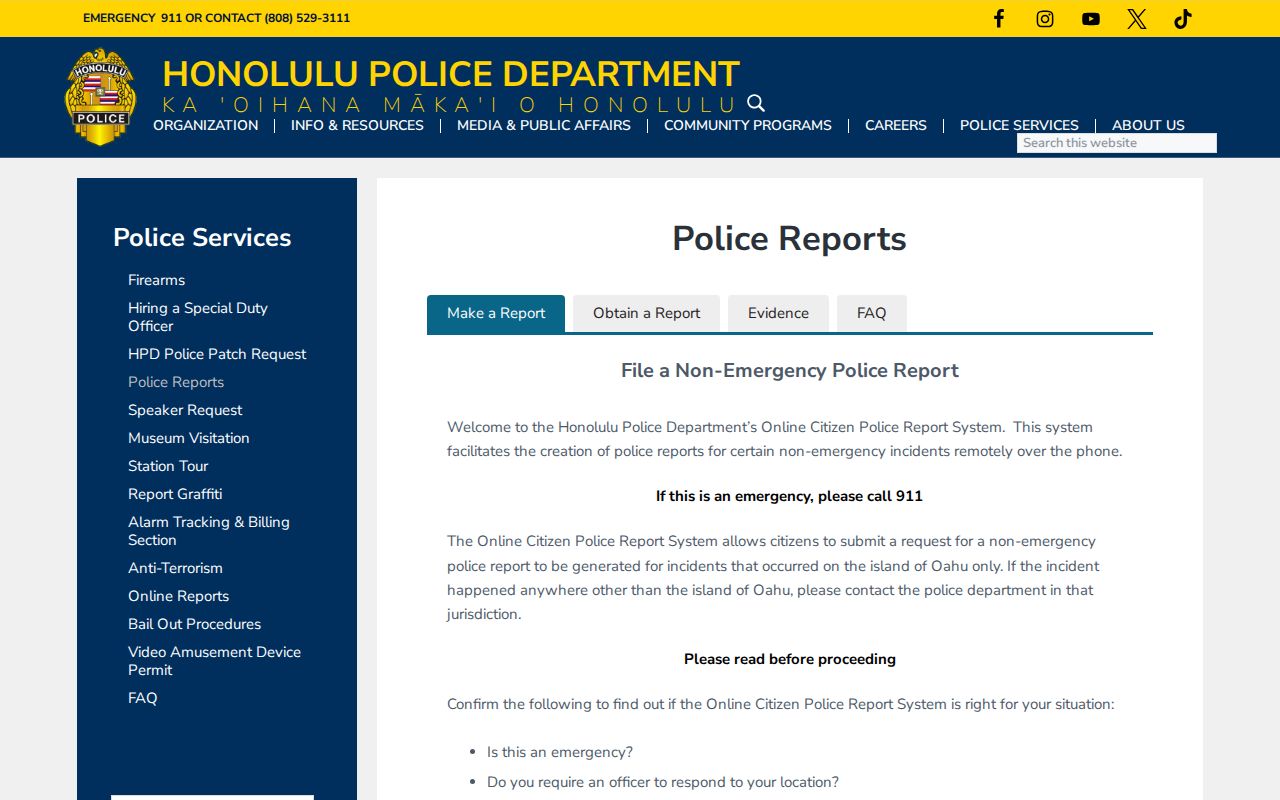
These files are not directory substitutes and fit only a specific lawful request.
The Honolulu Fire information form offers a separate route for incident, property, and fire-life-safety material.
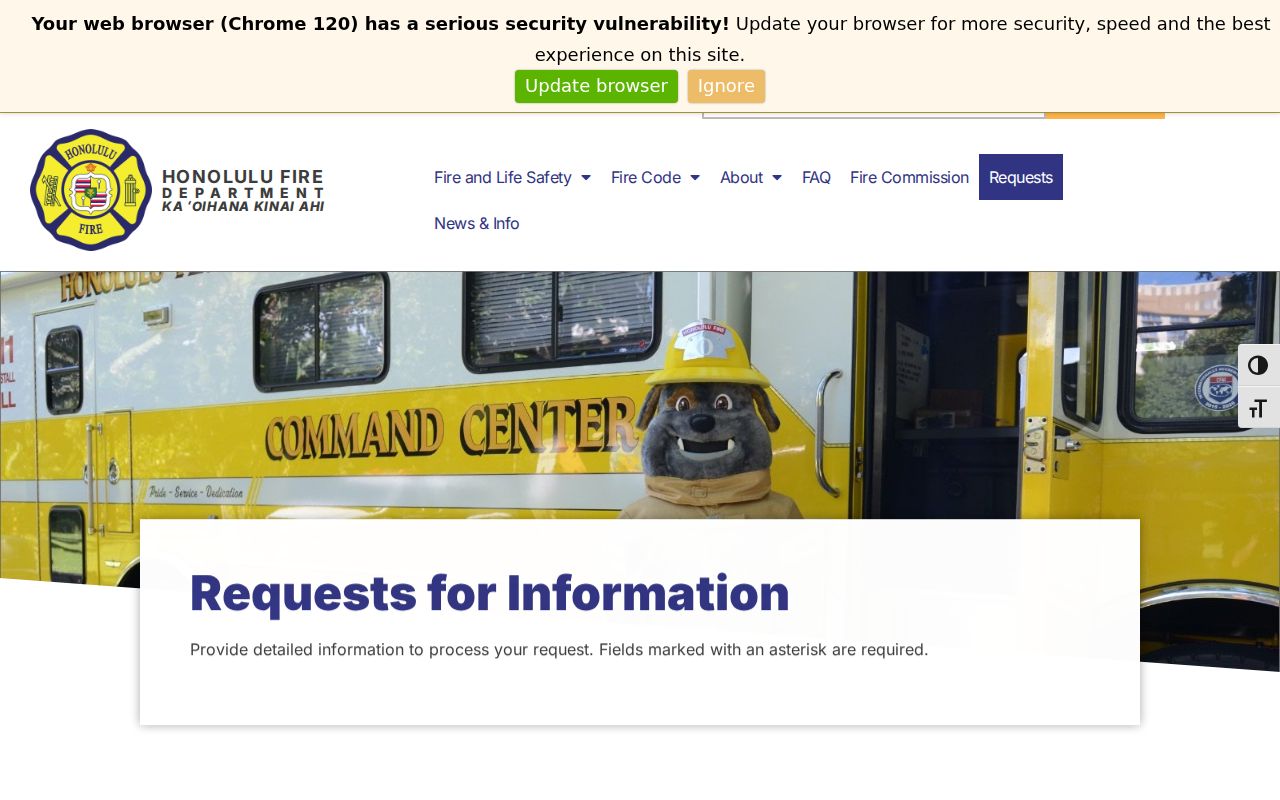
Its date, address, report, and TMK fields anchor a focused request without seeking a broad resident list. For city legislative material, HNLDoc is the online first stop. A missing item can be requested from the City Clerk with its measure number, meeting date, committee, keywords, and preferred format.